Asymmetry
We're hard-wired to crave balance and symmetry. But the world doesn't always gives us what we want.
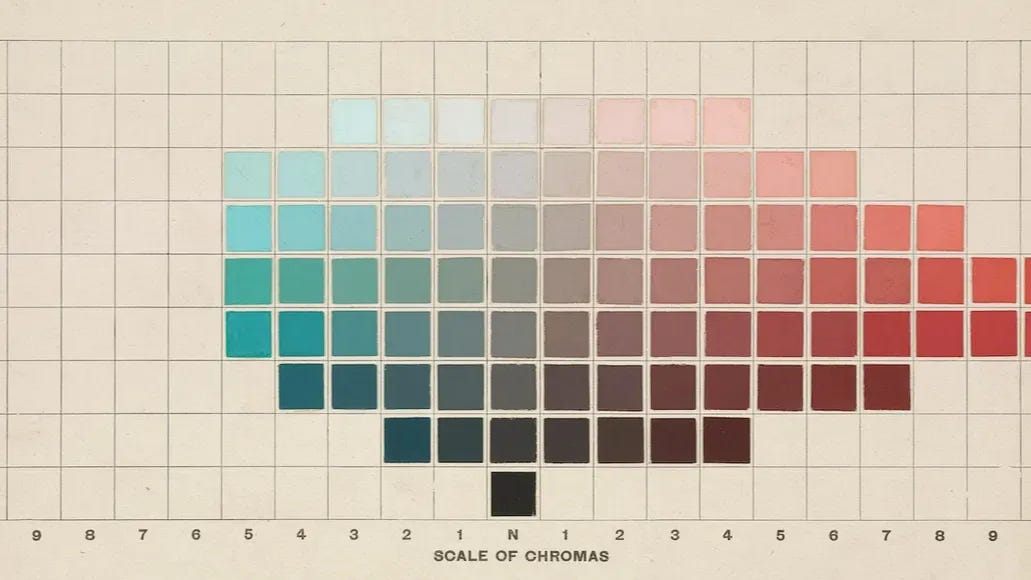
We’re genetically predisposed to prefer at least mostly symmetrical facial features.
Other species are too, and there are a lot of theories around why.
This bias spills into many areas of our lives.
We like it in art. We often seek some form of it in love.
We expect a degree of it in law and in journalism.
But our reality is rarely squarely balanced or neatly symmetrical.
Power is not evenly distributed, or wealth or opportunity.
Justice. Luck None of it falls evenly.
And this week I’ve been noticing the asymmetry of things, especially related to the latest war in the Gulf.
In a classic way: Can Iran’s asymmetric warfare hold US-Israeli military power at bay?
There’s an imbalance in our attention, too. It’s been 18 months since the last war in Lebanon. This time it’s different.
The fallout too is asymmetric and disproportionate. The global price tag of war in the Middle East.
This week’s notes, to varying degrees, are mainly about asymmetry.
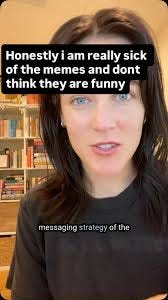
Banger memes
White House message architecture for the war, from one of my favorite Instagram feeds by Kyla Scanlon
Geopolitics
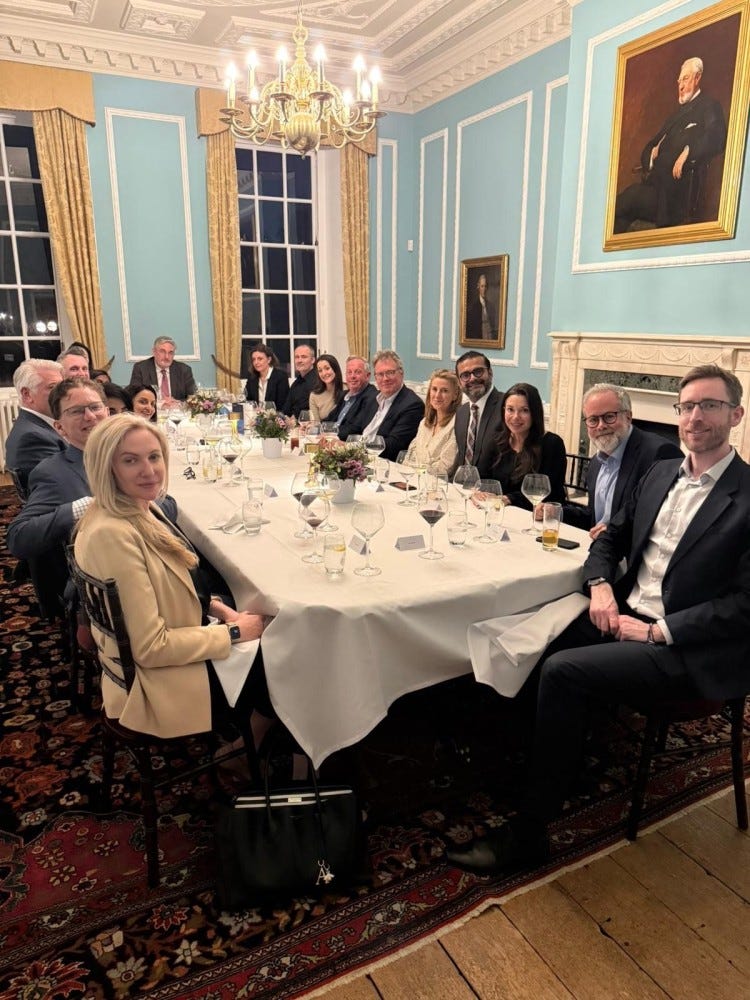
This has become code for “US foreign policy” in polite circles and so it was for much of a conversation with leaders from media, law and comms, organised by Farzana Baduel and the Chartered Institute of PR last week in London.
Her take:
What made the evening valuable was the depth of conversation around geopolitics as a lived operational reality. This is no longer a force felt only in certain sectors. Its ramifications now run across virtually every industry that communications professionals serve, from supply chain disruption and energy security to inflationary pressure and the contraction of consumer spending.
For me, it feels like déjà vu all over again.
I always come away from these things hoping I didn’t say anything stupid or offensive, or that everyone had enough wine to forget if I did.
AI and comms: ethical gaps
Here’s something that popped up in a quiet little corner of a group I’m in, and worth a read if:
You’re interested in AI, ethics and comms
You’re interested in promoting more cross-pollination between academics and practitioners
You’re interested in a possible future of work situation
Thanks Philippe Borremans for pulling it together and Arun Sudhaman for the platform.
Trust issues
This week I’ll have the pleasure of moderating an Anthropy UK conversation on “Media, Public Affairs, and the UK Trust Deficit” featuring some of the most thoughtful leaders in this space today: Isabel Berwick, Christian May, Kamal Ahmed, and Rachel Corp.
I’d love your thoughts on questions for the session …
IS there a trust deficit?
And assuming there is, how does it show itself? Where has it gone?
Can it be restored?
And for those of us in the business of shaping discourse and opinion, what’s our role and responsibility in it all?
Might as well get the conversation started with your comments?

State of Journalism
Muck Rack’s annual journalism survey is out.
Muck Rack’s 2026 State of Journalism Report Finds 82% of Journalists Use AI
I’m wondering about the 18% who aren’t.
Disinformation and lack of funding tie as the top perceived threats to journalism, each cited by 32% of journalists.
Concern about unchecked AI has risen sharply to 26%, up eight percentage points year over year.
Despite pressures, most journalists still say their work feels meaningful, though many also describe it as exhausting.
Download it for yourself here. And thanks Andrew Bruce Smith for flagging its release.
Podcast of the week 1: Clubhouse
Remember Clubhouse?
I launched a book with John O’Brien MBE Anthropist on it, and ended up hanging out with MC Hammer, sort of.
Thanks for the podcast link, Candace Kuss

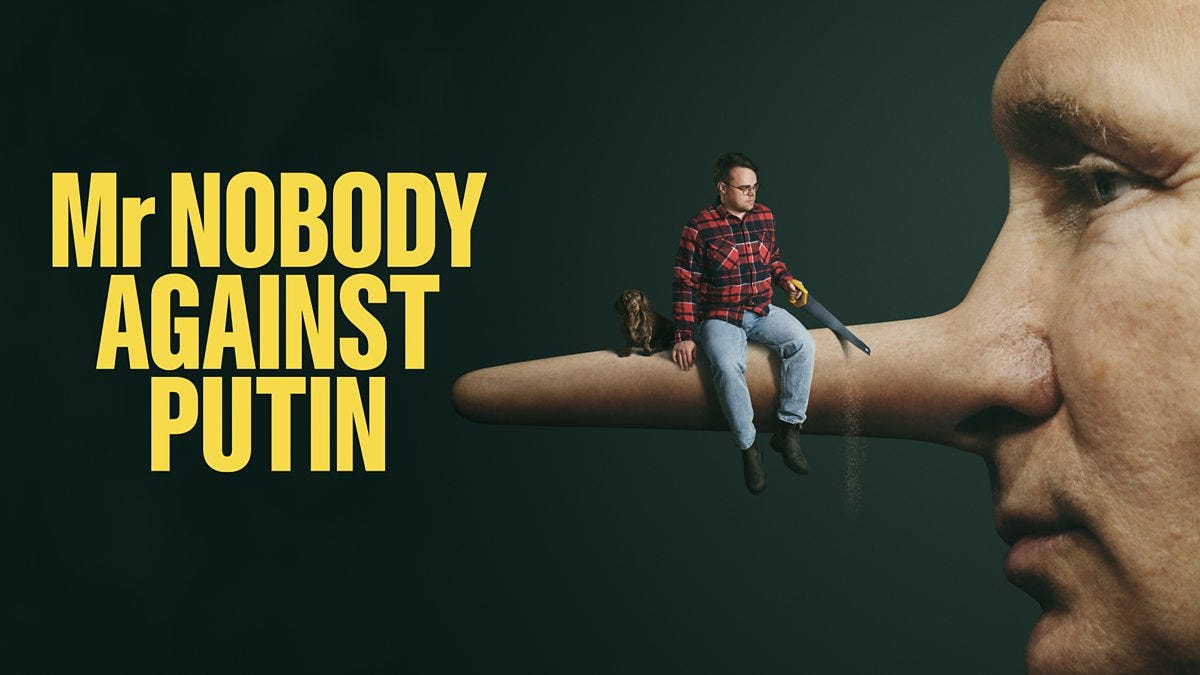
Mr Nobody Against Putin
Push this to the top of your Oscar-viewing list …
Podcast of the week 2: Klein on Klein
Ezra Klein interviews Naomi Klein, and they cover a lot of ground from her book, Doppelganger, including the idea of diagonalism - new term for me - the blurring of traditional left–right political boundaries, where individuals or movements reject both mainstream liberalism and conservatism but still end up aligning, often unknowingly, with far-right narratives.
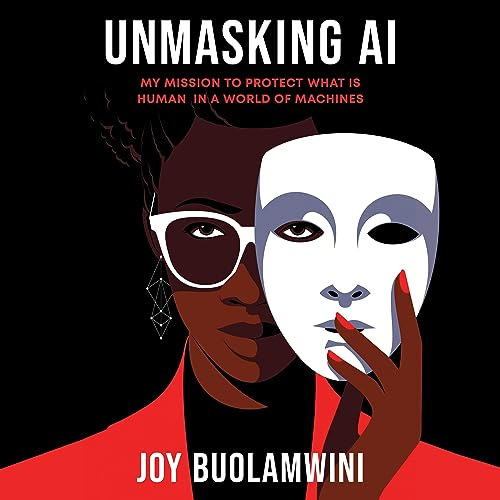
Book of of the week: Unmasking AI
Recommended by Sonya Cullington
....Applying an intersectional lens to both the tech industry and the research sector, Dr. Joy Buolamwini shows how racism, sexism, colorism, and ableism can overlap and render broad swaths of humanity “excoded” and therefore vulnerable in a world rapidly adopting AI tools. Computers, she reminds us, are reflections of both the aspirations and the limitations of the people who create them
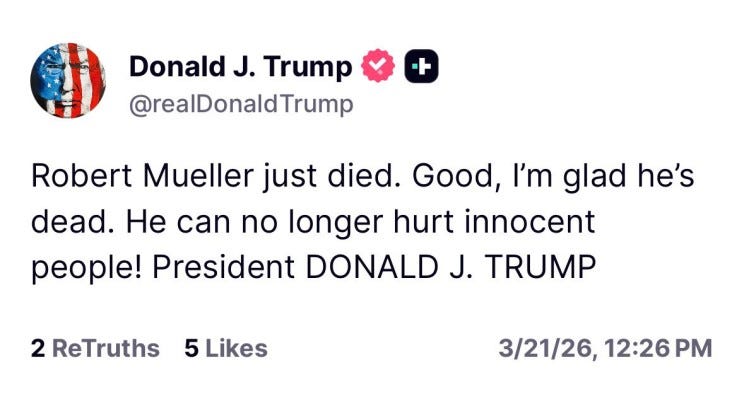
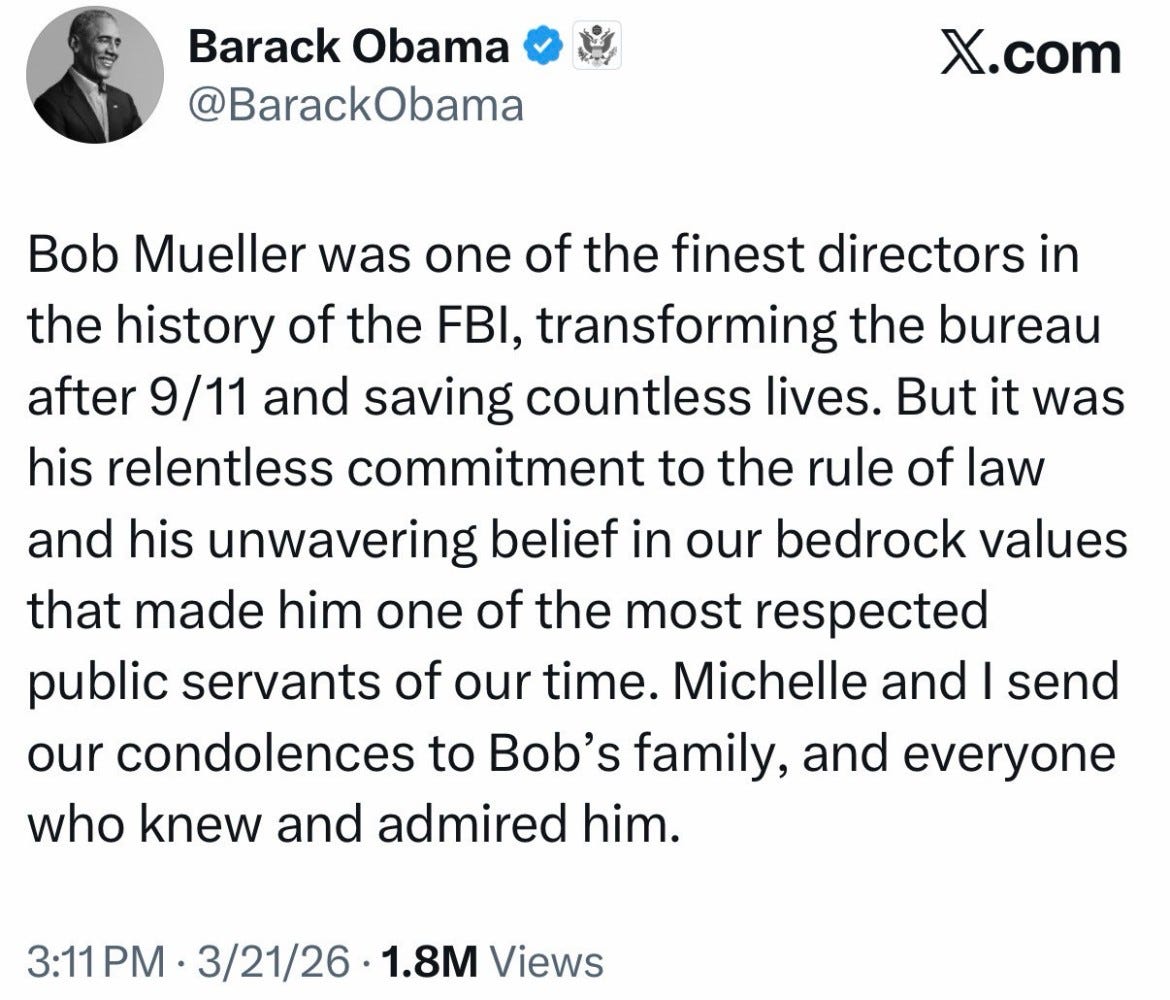
A study of asymmetrical presidential decorum
Robert Mueller, ex-FBI chief who led Trump-Russia investigation, dies at 81.
Work news: CIO support
Here’s a big upgrade our in ability to help agencies and comms team meet one of the biggest challenges to growth, performance and investment today: our newest practice area.

Coming up
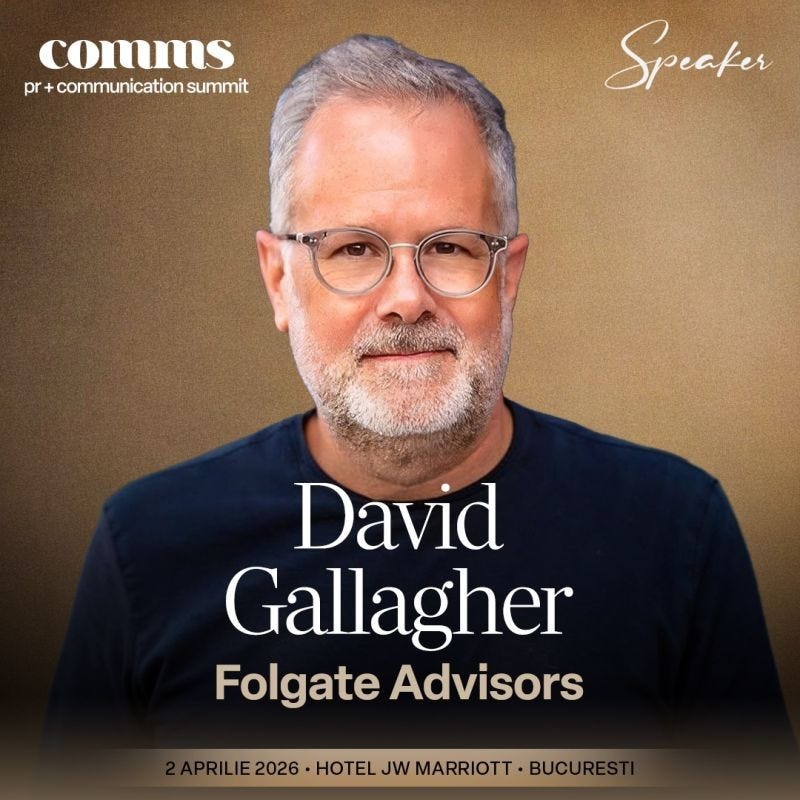
If you happen to be in Bucharest on the 2nd of April and fancy a chat about AI and comms …
Worth noting
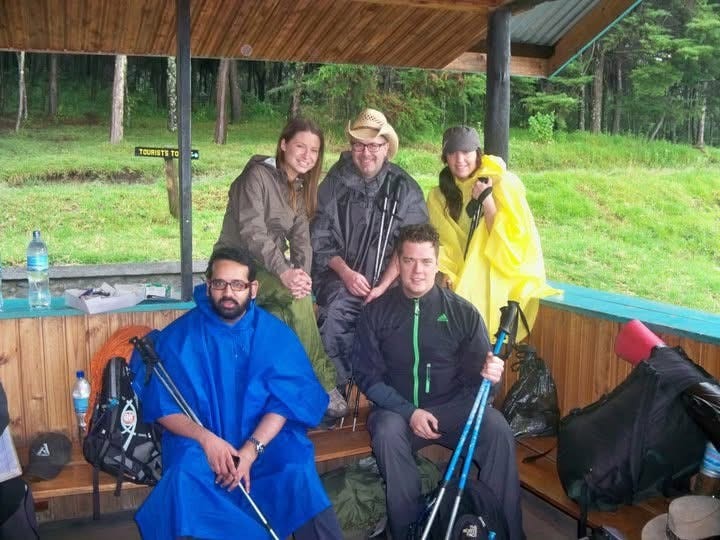
Feeling a little sentimental about the 15th anniversary of a walk up Kilimanjaro with some colleagues who became lifelong friends: Danielle Daly Francesca O’Connor Girish Balachandran and James Ward